
Food for Thought
Extinction Is Forever
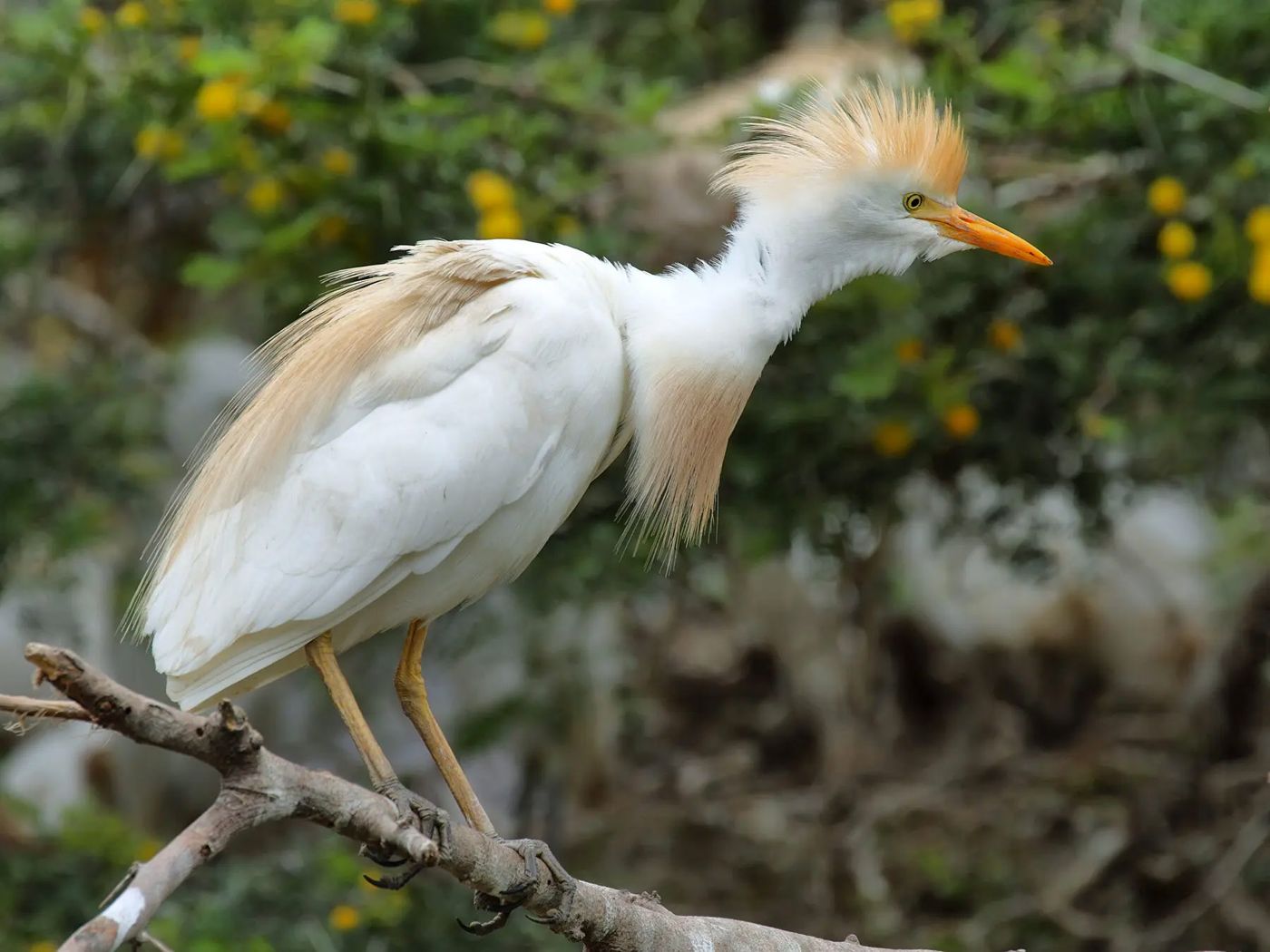
The loss in biodiversity greatly affects everyone’s lives, and will go on doing so. We have been brought up with animals, plants and many other things around us. We cannot imagine being without them.
Everything in the environment contributes to its sustainability. If even a little part of it is lost, the environment will become unstable, and there will be more losses in biodiversity. If, for example, the number of bears in Japan's forests were to fall, the populations of the animals they hunt would rise, and, in turn, the biodiversity that these prey species live off would surely lessen.
Japan covers a small landmass, and has over one hundred million people living on it, but three quarters of its area is still abundant with nature. Japan is rich in biodiversity, but it is highly threatened. As land is limited, farmers cannot afford to let harvests fail, and therefore use agricultural chemicals for better growth of crops and so on. This has affected many creatures, especially animals that relate with water. Take the tremendously beautiful Japanese crested ibis. In 1981 only five of these birds were reported still to be alive. They were captured and kept in captivity. Many attempts were made to breed them but none succeeded. By 1998 only one was left and now it, too, has gone. The Japanese crested ibis is extinct.
We cannot forget biodiversity when thinking of the future. If coming generations blame us for making creatures extinct, we have no excuse we can give them. It isn't fair that they will not be able to see what we have seen because we failed to take action. We cannot revive species, as some movies have done for dinosaurs – and, even if we could, it would not be wise without knowing their habits. As a contribution to real-world action, the eco-club in my area raises salmon eggs in schools every year, releasing the young fish when they become big enough.
Biodiversity is very important for achieving the MDGs. An unstable balance of nature brings famines and crop failures. If the ecosystem gains balance, sustainable development becomes possible. It is not an easy task, but if we do not take action, nothing will happen. So let us join together to make a better future.
Ritsuya Kishida, aged 14, Japan. Junior Board Member, Children’s World Summit for the Environment, 2005.